
ReimeiTech
REIMEITECH.
← Solutions
Sprint 02 of 10 · Productized Product Planning
SaaS MVP Sprint

Turn Your SaaS IdeaInto a Build-ReadyMVP Plan.

ReimeiTech helps founders, startups, and growing businesses define their SaaS MVP scope, user flows, core features, architecture, dashboard structure, integrations, and development roadmap — before full build begins.

Not "another wireframe workshop." One week. One MVP plan — scoped, architected, and ready for the build team your CTO or co-founder will approve.

MVP ScopeSaaS ArchitectureProduct RoadmapAdmin DashboardUser FlowsFeature PlanningBuild Estimate
Scroll
02Definition

What Is the SaaS MVP Sprint?

The SaaS MVP Sprint is a focused product planning engagement for turning a SaaS idea into a clear, realistic, build-ready plan.

Instead of jumping directly into development with vague features, we define the MVP, map the user experience, choose the right technical structure, identify core workflows, and prepare a phased roadmap for development.

What you arrive with

"We want a platform for users, dashboards, payments, and AI features."

  • No user role definition
  • No feature prioritization
  • No dashboard structure
  • No data model
  • No architecture direction
  • No build estimate

Vague intent — engineers can't quote it, designers can't draw it, and your first sprint becomes a fight.

What you leave with

A clear, scoped MVP plan

  • Clear user roles
  • Feature scope (must / wait / avoid)
  • Dashboard flow
  • Data model
  • Integrations defined
  • Architecture direction
  • Phased timeline
  • Build estimate

Engineers can quote it. Designers can draw it. Your CFO can approve it. Build starts Monday.

03Why it matters

Most SaaS MVPs Become Too Big Before They Start.

The sprint helps reduce risk before development by deciding what should be built first, what should wait, and how the product should be structured.
Founders planning

"We had everything in the v1 — and shipped nothing."— every overbuilt MVP, in 9 words.

The idea has too many features
The MVP scope is unclear
Founders do not know what to build first
The product needs dashboards, users, billing, admin, and integrations
The budget is hard to estimate
The technical architecture is not defined
The first version becomes too complex
The team wastes money on non-essential features
Investors need a clearer product plan
04Who this is for

Who This Sprint Is For.

Startup founders

Startup founders

You have a SaaS idea and need to define the MVP before hiring a development team.

Agencies

Agencies

You want to launch a client portal, reporting platform, or white-label SaaS product.

Existing businesses

Existing businesses

You want to turn an internal workflow into a customer-facing software product.

AI product founders

AI product founders

You want to build an AI-powered SaaS but need to define the product flow, AI layer, data structure, and first release.

Non-technical founders

Non-technical founders

You understand the business problem but need technical guidance for turning it into software.

Teams with a rough prototype

Teams with a rough prototype

You already have wireframes, a no-code prototype, or an early app, but need a stronger MVP plan.

05What we analyze

What We Review During the Sprint.

We think about product, business, and engineering together — not in separate documents that never reconcile.

Product analysis

"Product + business + engineering — reconciled into one plan."

Business idea
Target users
User roles
Core workflows
MVP feature list
Dashboard requirements
Admin requirements
Subscription model
Payment needs
Data model
AI feature opportunities
Third-party integrations
Security requirements
User onboarding flow
Reporting needs
Technical risks
Launch priorities
06MVP scope

Define What Belongs in the First Version.

A good MVP is not the smallest possible product. It's the smallest useful product that proves the core business value.

Must Build

Features required for users to get value.

Should Wait

Useful features that can come after launch.

Avoid for MVP

Expensive or complex features that don't prove the product yet.

Example feature decisions
mvp.scope.matrix
FeatureMVP DecisionReason
User loginMust buildRequired for SaaS access
Admin dashboardMust buildNeeded to manage users and data
Stripe billingBuild if monetization is requiredDepends on launch model
AI assistantBuild if core product valueNot needed if only a future enhancement
Advanced analyticsLater phaseUseful after real user activity
Mobile appAvoid for MVPWeb app should launch first
07Features we plan

SaaS Features We Can Plan.

User system

User system

  • Sign up
  • Login
  • Password reset
  • User profile
  • Team accounts
  • Roles and permissions
  • Organization settings
Admin system

Admin system

  • Admin dashboard
  • User management
  • Account management
  • Activity logs
  • Settings
  • Content management
  • Support tools
Subscription system

Subscription system

  • Stripe billing
  • Plans
  • Invoices
  • Payment status
  • Usage limits
  • Trial access
  • Upgrade / downgrade flow
Product dashboard

Product dashboard

  • User dashboard
  • Metrics
  • Tables
  • Filters
  • Reports
  • Notifications
  • Saved activity
Data and backend

Data and backend

  • Database schema
  • API structure
  • Data storage
  • File uploads
  • Background jobs
  • Scheduled workflows
Integrations

Integrations

  • CRM
  • Email
  • Calendar
  • Payments
  • Analytics
  • AI APIs
  • Third-party APIs
08Architecture

Design the Technical Foundation Before You Build.

A SaaS MVP needs more than screens. It needs user accounts, backend APIs, databases, permissions, admin controls, deployment, security — and a structure that can grow after launch.

Architecture diagram

"Architecture decided in week 1 saves 3 months of rewrites in year 1."
User Roles
CustomersAdminsTeam Members
Core Product Workflows
OnboardingDashboardData InputReports / Outputs
Technical Architecture
Frontend AppBackend APIDatabaseAuthenticationBillingIntegrations
MVP Roadmap
Phase 1 BuildPhase 2 ImprovementsPost-Launch Scaling
09Product flow

Map the Product Experience.

Wireframes

"Visitor → Signup → Onboarding → Dashboard → Core Action → Result."— the path every SaaS user walks. We design every step.


Example SaaS flow
01
Signs up
02
Creates workspace
03
Connects data
04
Uses main feature
05
Sees result in dashboard
06
Exports / shares output
What ReimeiTech defines
User journeySignup flowOnboarding flowMain dashboard flowAdmin flowPayment flowNotification flowError statesEmpty statesUpgrade flow
10Process

How the SaaS MVP Sprint Works.

Discover
Step 01

Discover

We understand your SaaS idea, target users, business model, competitors, and product goals.
Define
Step 02

Define

We identify the core user problem, MVP value, user roles, and first release priorities.
Map
Step 03

Map

We map user flows, product workflows, dashboard structure, and admin requirements.
Scope
Step 04

Scope

We separate must-have MVP features from later-phase features.
Architect
Step 05

Architect

We design the technical architecture, database direction, integrations, security, and deployment approach.
Roadmap
Step 06

Roadmap

We prepare a build roadmap with phases, timeline, risks, and recommended development plan.
11Deliverables

What You Receive.

Deliverables

"You don't leave with vague product ideas. You leave with a clear SaaS MVP plan ready for design and development."

01MVP strategy report
02Product scope document
03User role definition
04Feature priority matrix
05User flow map
06Dashboard structure
07Admin panel requirements
08Database and backend planning
09SaaS architecture recommendation
10Integration requirements
11Security and permission notes
12AI feature recommendations (if needed)
13MVP build roadmap
14Timeline estimate
15Phase 1 / Phase 2 plan
16Technical risk notes
17Development estimate direction
12Inside the report

Inside the SaaS MVP Sprint Report.

MVP report mockup
mvp-strategy-report.pdf
17 sections
Professional deliverable

A document your CTO would approve and your investors would respect.

§01Executive summary
§02Product idea clarification
§03Target user definition
§04Core problem statement
§05MVP feature list
§06Features to delay
§07User journey map
§08Dashboard requirements
§09Admin requirements
§10Data model notes
§11Recommended technology stack
§12Integrations
§13Security requirements
§14Build phases
§15Timeline estimate
§16Risks and assumptions
§17Next-step development plan
13Example

Example Sprint Outcome.

Agency MVP

"From 'SaaS for agencies + AI' to a scoped first build — in one week."

Client situation

A startup wants to build a SaaS platform that helps agencies create monthly client reports using connected data and AI summaries.

Sprint finding

The MVP should focus on account setup, client management, data import, report dashboard, AI-generated summary, and PDF export.

Recommended first build

A web-based SaaS MVP with user login, admin dashboard, client workspace, data upload, AI report generation, and scheduled report history.

Later-phase features

Stripe billing · white-label branding · advanced analytics · team permissions · third-party CRM integrations.

Why this first

The first version proves the core product value — connected data + AI summary + delivered report — without overbuilding the platform.

14What this is not

What This Sprint Is Not.

Strikethrough

"The goal is to define the right MVP — before development begins."

A full SaaS build
A generic business consultation
Only a design workshop
A vague product brainstorm
A promise to ship every feature in v1
15Feasibility

Technical Feasibility We Consider.

We don't only ask what you want to build. We check how it should be built — and what risks need to be considered before development starts.
Technical review

"Architecture chosen by accident in week 1 is technical debt in year 1."

Frontend complexity
Backend complexity
Database structure
User roles & permissions
Multi-tenant requirements
Payment integration
Third-party APIs
AI feature feasibility
Data security
Authentication
Admin tools
Deployment environment
Scalability needs
Maintenance requirements
16AI-powered SaaS

Planning an AI-Powered SaaS MVP?

If your SaaS includes AI, we help define where AI should create real product value — instead of adding AI features just for appearance.
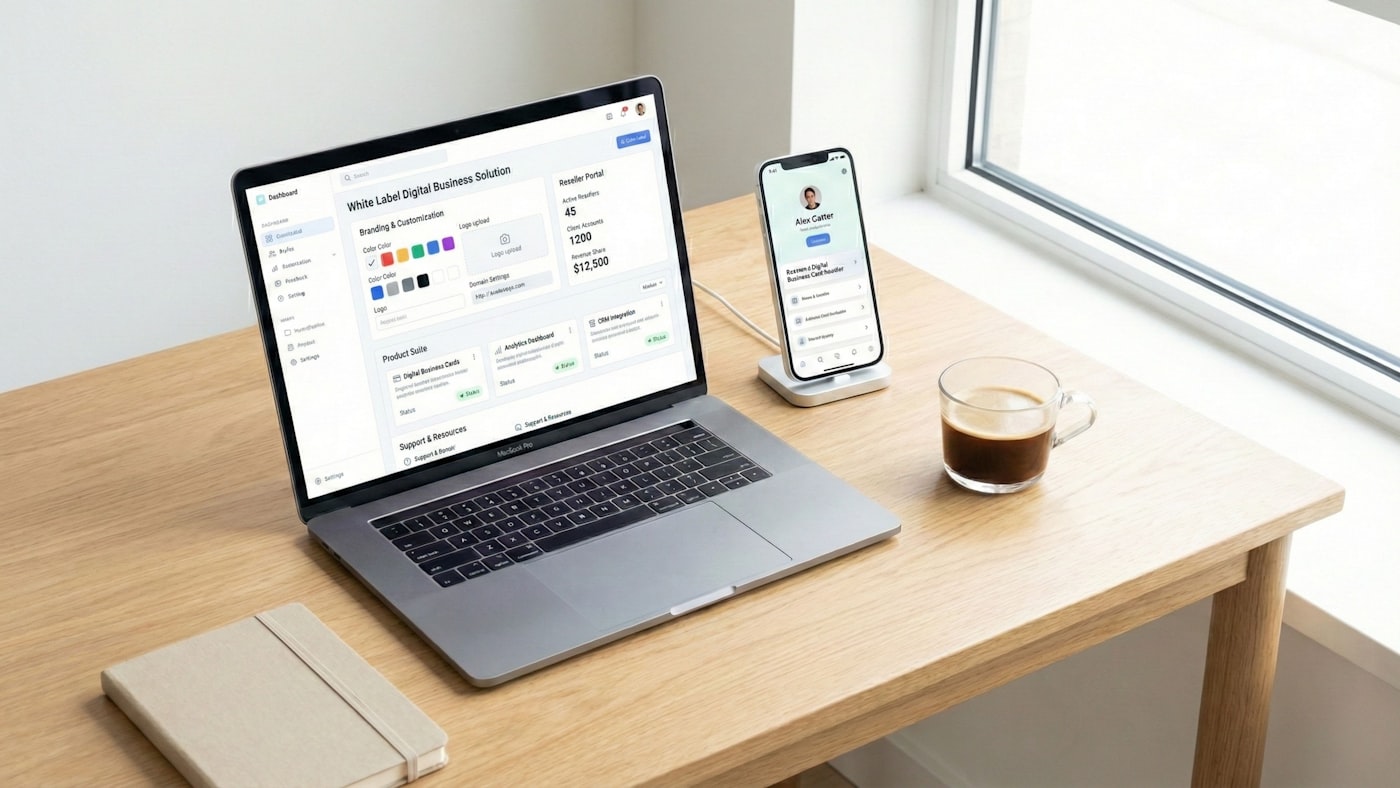
AI SaaS planning

"AI inside a SaaS is a feature, not a strategy. We make sure it's the right feature."

AI SaaS ideas we plan
AI reporting SaaSDocument AI SaaSAI customer support SaaSInternal copilot SaaSWorkflow automation SaaSRAG knowledge base SaaSAI analytics SaaSAI assistant inside a dashboard
What you define
  • AI feature scope
  • AI input and output flow
  • Prompt and logic design
  • RAG or document search needs
  • Model/API requirements
  • Human review needs
  • Source citation requirements
  • AI cost considerations
  • Accuracy and safety controls
17Security

MVP Planning With Security in Mind.

Even an MVP should be planned with a secure foundation. Retrofitting auth, permissions, and audit later costs more than getting them right in week one.
Security review

"Auth, permissions, audit — designed in week 1. Not retrofitted in year 2."
Secure authentication
Role-based access
Organization-level permissions
Admin controls
Data privacy
Audit logs
Secure API design
Encrypted storage
Payment security
User activity tracking
Environment separation
18Timeline

Sprint Timeline.

Typical: 1 weekExtended option: 2 weeks for larger SaaS platforms
Product discovery & business model
Day 1

Product discovery & business model

Kickoff · target users · competitor scan · success criteria.
User roles, workflows & features
Day 2

User roles, workflows & features

Role definitions · journey mapping · feature inventory.
MVP scope & dashboard structure
Day 3

MVP scope & dashboard structure

Must / wait / avoid decisions · dashboard skeleton · admin structure.
Architecture, integrations, feasibility
Day 4

Architecture, integrations, feasibility

Tech stack call · data model · integrations · risk flags.
Roadmap, recommendations & final report
Day 5

Roadmap, recommendations & final report

Phase plan · build estimate · written report · live walkthrough.

19Best fit

Best Fit for This Sprint.

Founder session
If any of these describe your situation

A 1-week MVP sprint will save 2–3 months of confused building and likely more than the sprint fee in saved engineering time.

Founders with a SaaS idea
Startups preparing an MVP
Businesses turning internal tools into SaaS
Agencies building client-facing platforms
Teams planning AI-powered SaaS
Non-technical founders needing product clarity
Companies needing a development estimate
Teams preparing to raise funding or pitch stakeholders
20Next steps

Common Projects After the Sprint.

The sprint outputs become the scope document for the build engagement. Most clients move directly into development within 2 weeks of the final presentation.

21FAQ

Frequently Asked Questions.

A focused 1-week product planning engagement that turns a SaaS idea into a clear, realistic, build-ready MVP plan. We define user roles, scope features, map flows, design the technical architecture, and prepare a phased build roadmap.
Start your MVP sprint / 22

Ready to Turn Your SaaS Idea Into
a Clear MVP Plan?

Tell us what SaaS product you want to build. We'll help you define the first version, map the product flow, plan the architecture, and prepare a build-ready roadmap.