
Businesses exploring AI
You know AI could help your company, but you need a clear starting point.
ReimeiTech helps your team identify practical AI use cases, map manual workflows, prioritize high-value automation opportunities, and create a clear roadmap for building AI-powered systems.
Not "another AI strategy deck." One week. One report. One clear first project — with the scoring, scope, and roadmap your engineers and your CFO both need to say yes.
The AI Opportunity Sprint is a focused discovery engagement designed to help your business find practical, high-impact AI opportunities.
Instead of starting with a vague idea like "we need AI," we review your workflows, tools, documents, data, customer interactions, and internal processes to identify where AI can reduce manual work, improve speed, support employees, or create new product value.
Leaves leadership with possibilities, not direction. The next meeting starts the same conversation.
One report. One direction. Your engineering team and your CFO can both act on it on Monday.
The sprint helps your team avoid building the wrong AI system by identifying the use cases that are realistic, valuable, and technically achievable.

"We spent six months building an AI feature nobody asked for."— the cost of skipping discovery.
You know AI could help your company, but you need a clear starting point.
Your staff spends too much time on documents, reports, questions, data entry, or repeated admin work.

You have an AI product idea but need to validate scope, architecture, and MVP direction.

You want to automate client reporting, intake, proposals, communication, or delivery workflows.
You need AI ideas that respect security, review, compliance, privacy, and controlled access.

You need a practical AI roadmap before committing to a build budget.
We don't start from AI hype. We start from your real business process — the tools your team uses, the documents that pile up, the requests that get lost, the reports that take all of Friday.
"Start from the process. Find the AI."— not the other way around.

Workflows where AI can classify, summarize, extract, draft, route, or recommend actions.
Processes where staff manually reviews PDFs, forms, contracts, invoices, reports, or customer documents.

Situations where employees or customers need better answers from company documents, SOPs, FAQs, or knowledge bases.

Support workflows where AI can answer repeated questions, summarize tickets, suggest replies, or escalate cases.

Reporting workflows where AI can summarize data, explain changes, generate updates, or detect anomalies.

Employee-facing AI assistants that help teams search knowledge, summarize work, follow processes, and complete tasks faster.

Business processes that can be automated through triggers, rules, APIs, approvals, notifications, and dashboards.



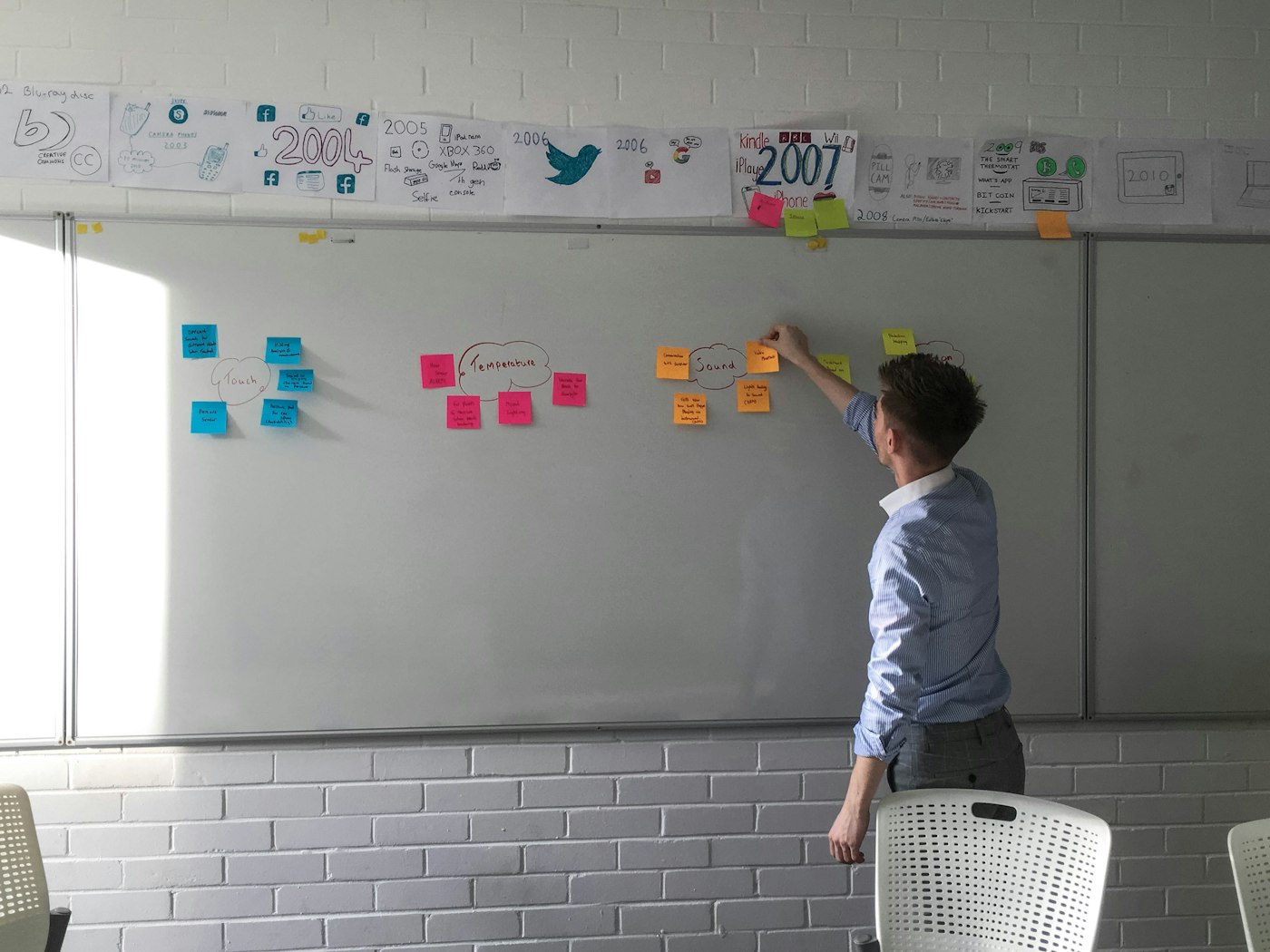
"Six dimensions. One clear ranked list. Zero debate."
How much time, cost, speed, quality, or customer experience can improve?
How repetitive or time-consuming is the current workflow?
Do the documents, tools, knowledge, or databases already exist?
Can this be built reliably with available AI, APIs, and workflow logic?
Does the use case involve sensitive data, compliance, accuracy concerns, or human approval?
How difficult is the first version to design, develop, test, and launch?
| AI Opportunity | Business Value | Complexity | Data Readiness | Recommended Priority |
|---|---|---|---|---|
| AI support assistant | High | Medium | High | Build first |
| Internal knowledge copilot | High | Medium | Medium | Build second |
| Invoice document AI | Medium | Medium | High | Good candidate |
| Fully autonomous sales agent | High | High | Low | Later phase |
"You don't leave with vague ideas. You leave with a clear AI project direction and a practical build roadmap."

Written report + live walkthrough presentation. Both belong to your team.
"From repeated questions and manual reports — to one recommended AI project, scoped and ready."
A service business spends hours every week answering repeated customer questions, preparing reports, and updating CRM records manually.
The highest-value first AI project is an AI customer support and lead qualification assistant — connected to the website, CRM, and internal FAQ knowledge base.
A website AI assistant that answers service questions, qualifies project inquiries, summarizes leads, creates CRM records, and notifies the sales team.
Clear business value · available knowledge sources · manageable technical complexity · fast time-to-launch.
"The goal is to find the right AI opportunity — not force AI into every part of your business."

The sprint is the cheapest, fastest way to turn questions into a plan.
We don't only identify exciting AI ideas. We check whether the idea can actually be built into a reliable system with your stack, your data, and your timeline.
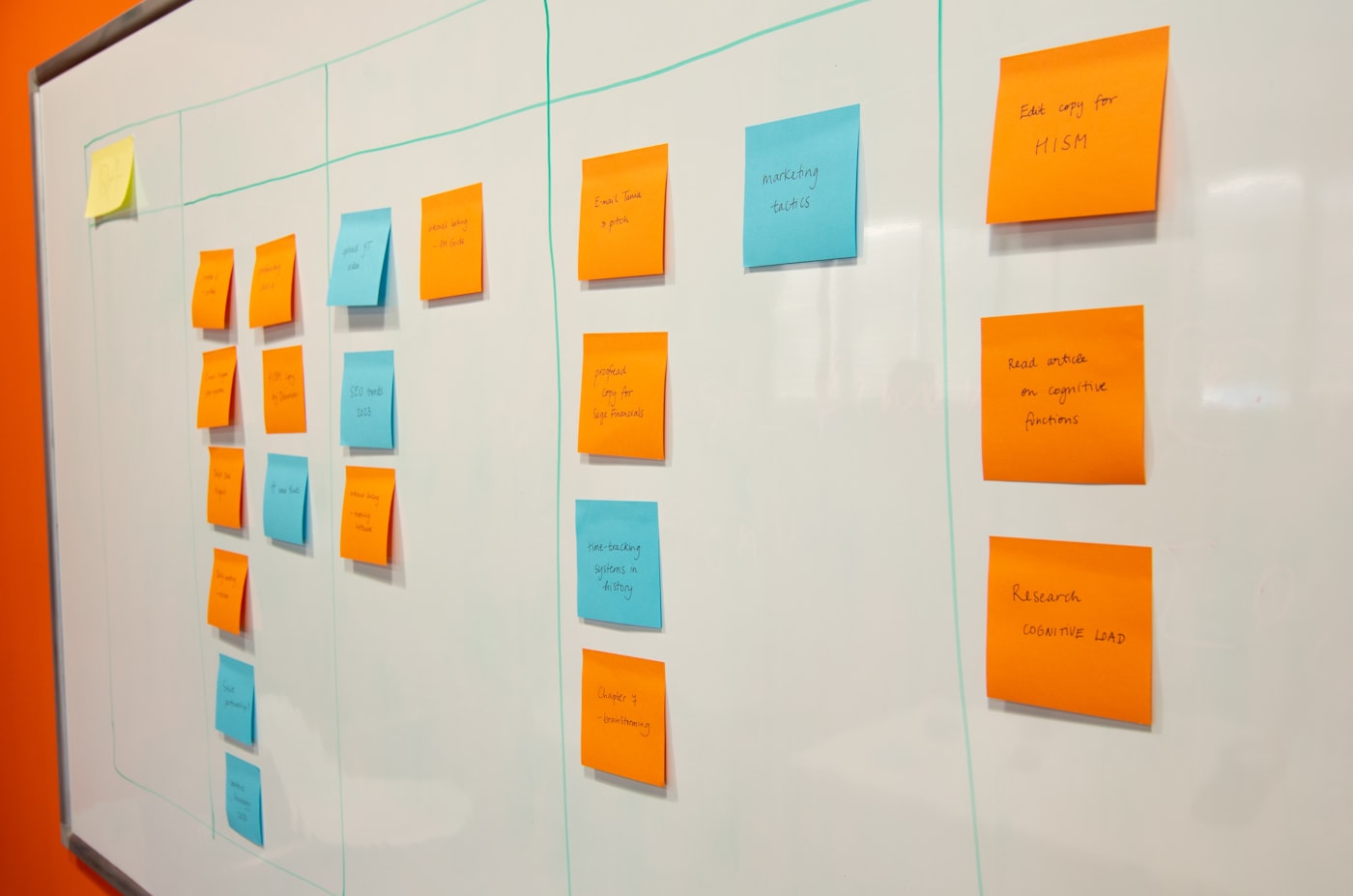
"If it can't ship, it isn't a recommendation."
Some AI ideas are useful but risky if designed poorly. We identify where human approval, role-based access, audit logs, source citations, data privacy, and secure integrations are needed — and design around them.

"Useful AI is supervised AI — by design, not by hope."
The sprint outputs become the scope document for one of these build engagements. Most clients move directly from sprint to build within 2 weeks.
Kickoff call · goals interview · stakeholder mapping · pain-point capture.
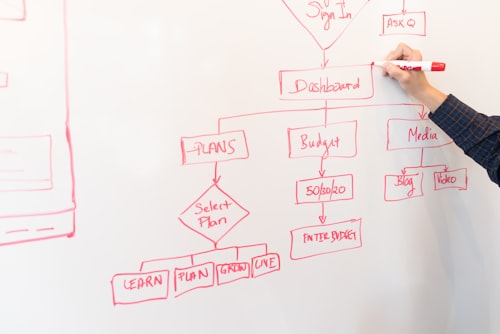
Tool inventory · data audit · document sampling · existing-process walkthroughs.
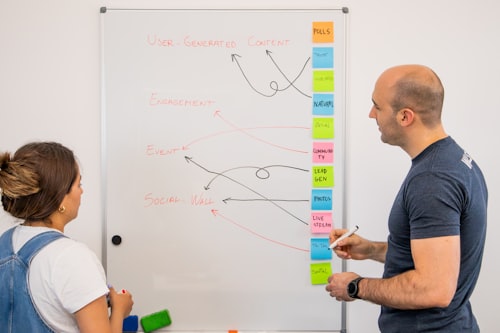
Workshop synthesis · candidate opportunity list · early feasibility flags.

Six-dimension scoring · architecture sketches · integration mapping.
Final report · live walkthrough · build-phase plan · same-quarter handoff path.
"Six structured touchpoints — no email-tag, no surprise asks."
Goals, scope, who joins, and what success looks like.
Walk through how your team actually works today.
Audit your CRM, knowledge tools, data sources, and integrations.
Collaborative session ranking candidate use cases.
Walk through the scored opportunities and the recommendation.
Deliver the report, walk it through live, answer build questions.

A focused sprint will save weeks of guessing and likely more than the sprint fee in avoided wrong-direction work.
Tell us where your team spends too much time manually working, searching, reporting, reviewing, or responding. We'll help you identify the AI opportunity that is most practical, valuable, and ready to build.